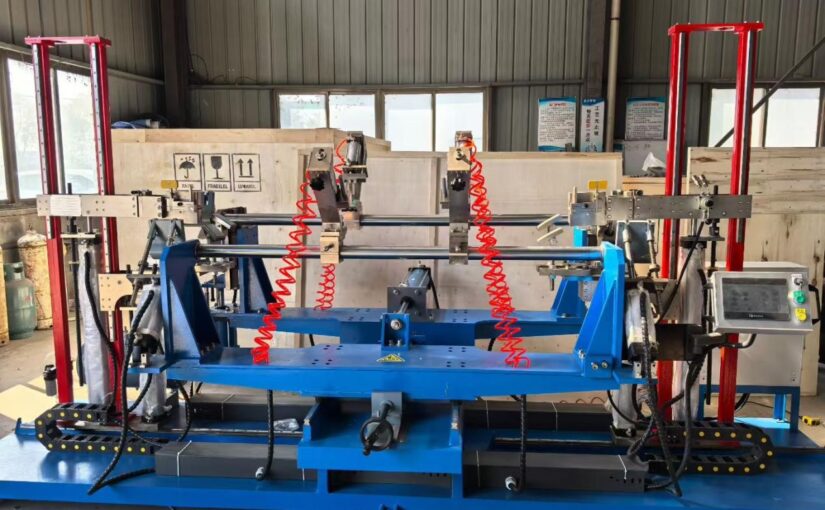
How a Car Power Steering Training Kit Helps Build Practical Automotive Skills

Modern vehicles rely on a wide range of systems that must work together smoothly, and steering is one of the most important. A vehicle may have a powerful engine and advanced electronic features, but safe and controlled driving still depends heavily on the steering system operating correctly. For students, apprentices and automotive technicians, understanding how steering components work in real conditions is therefore an essential part of vehicle training.

A car power steering training kit can provide a practical way to study these systems without relying entirely on a complete vehicle. Instead of learning only through diagrams, textbooks or classroom explanations, learners can work with components arranged in an accessible training setup. This makes it easier to understand how steering assistance is generated, how individual parts interact and what can happen when a component develops a fault.

Why Practical Steering Training Matters

Power steering technology has changed considerably over the years. Traditional hydraulic systems use components such as a pump, steering gear, fluid lines and control valves to reduce the effort required from the driver. Many newer vehicles use electrically assisted steering, while some designs combine electronic controls with mechanical components. Although the technologies differ, technicians still need a strong understanding of steering principles, component operation and diagnostic procedures.

Classroom theory provides an important foundation, but practical experience helps learners connect that information to real components. For example, it is one thing to read about hydraulic pressure and another to observe how pressure changes within a working steering system. Similarly, understanding an electrical steering motor on paper is different from identifying its connections, controls and operating behaviour on a training unit.

A dedicated training system allows these concepts to be explored in a controlled environment. Components can often be positioned so that learners can see their relationships clearly, rather than trying to identify parts underneath a vehicle. This can make lessons more organised and give instructors greater control over demonstrations and exercises.

Another benefit is repeatability. A vehicle workshop may not always have a suitable car available for every learner or every lesson. A training kit can provide a consistent platform that can be used repeatedly for demonstrations, practical exercises and assessments. This is particularly useful in colleges, technical training centres and apprenticeship programmes where several learners need hands-on experience.

What Learners Can Understand from a Training Kit

A well-designed training system can cover several areas of steering-system education. One of the first is component identification. Learners can become familiar with steering racks, pumps, reservoirs, hoses, motors, sensors, control units and other relevant parts, depending on the type of system represented by the kit.

Understanding the function of each component is just as important as recognising it. For example, in a hydraulic power steering arrangement, learners can study how the pump contributes to hydraulic assistance and how fluid is directed through the system. They can also examine why correct fluid condition and appropriate pressure are important to reliable operation.

Electrical systems require a different approach. Students may need to understand power supply, wiring, sensors, electronic control and motor operation. Practical training can help them see how electrical and mechanical elements interact rather than treating them as completely separate subjects.

Diagnosis is another important area. Automotive technicians are not simply expected to replace parts whenever something stops working. They need to identify symptoms, consider possible causes and use appropriate testing methods before deciding what repair may be required. A training kit can support this type of structured thinking by allowing learners to investigate faults in a controlled setting.

For example, an instructor may introduce a simulated fault and ask students to determine why steering assistance is not operating as expected. Rather than immediately providing the answer, the exercise can encourage learners to inspect connections, consider system operation and use diagnostic equipment where appropriate. This approach develops problem-solving skills that are useful beyond steering systems.

Building Confidence Through Hands-On Learning

One of the biggest challenges for new automotive students is gaining confidence when working with unfamiliar equipment. A vehicle can contain a large number of interconnected systems, which may initially make practical work seem complicated. A training kit can reduce some of that complexity by presenting a specific system in a more accessible format.

This does not mean that training equipment should replace real vehicle experience. Instead, it can act as a bridge between theory and workshop practice. Learners can first develop an understanding of system operation in a controlled environment before applying those principles to actual vehicles.

Hands-on exercises can also encourage better workshop habits. Students can practise following procedures, using test equipment correctly, checking connections and recording their findings. These habits are important because accurate diagnosis often depends as much on a methodical process as it does on technical knowledge.

Safety is another consideration. Steering is directly connected with vehicle control, so incorrect work can have serious consequences. Training equipment allows learners to practise certain procedures under supervision before they encounter similar systems in operational vehicles. Instructors can explain safe working practices while observing the learner’s approach and correcting mistakes early.

For training providers, this can also make demonstrations more efficient. Instead of gathering a group around a vehicle and trying to show a hidden component, an instructor can use an accessible training unit to explain the system to the whole class.

Choosing the Right Training Equipment

Not every steering training system provides the same learning opportunities, so training providers should consider the intended level of education before choosing equipment. A basic unit may be suitable for introductory students who are learning component identification and fundamental operating principles. More advanced systems may be appropriate for technicians studying diagnostics, electronic controls and fault-finding.

The physical design of the equipment also matters. Components should be accessible enough for learners to identify and examine without unnecessary difficulty. Clear labelling can be useful for beginners, while advanced units may provide opportunities for students to identify components using technical information and their own knowledge.

The ability to demonstrate realistic operation is another factor. A useful training system should support meaningful practical exercises rather than simply displaying disconnected parts. Where appropriate, measurement points, controls or diagnostic connections can make lessons more interactive.

Training providers should also consider durability and maintenance. Equipment used by multiple classes may receive considerable handling over time, so robust construction is important. Replacement components and technical support can also be useful considerations when selecting equipment for long-term educational use.

Supporting Modern Automotive Education

As vehicle technology continues to develop, automotive education needs to cover both traditional mechanical principles and modern electronic systems. Steering provides a good example of this transition. A technician may encounter hydraulic assistance on one vehicle and an electrically assisted system on another, requiring an understanding of different technologies and diagnostic approaches.

A car power steering training kit can therefore form part of a broader practical training programme. It can help learners understand the fundamentals of steering assistance while giving instructors a platform for demonstrations and controlled exercises. When combined with workshop vehicles, diagnostic tools, technical manuals and classroom theory, it can contribute to a more complete learning experience.

The real value of practical training is not simply knowing the names of components. It is developing the ability to understand how a system operates, recognise unusual behaviour, investigate possible causes and approach technical problems logically. These skills can remain useful as vehicle technology changes.

Turning Theory into Workshop-Ready Knowledge

Effective automotive training should give learners more than information to memorise. It should help them understand why systems work in particular ways and how that knowledge can be applied when diagnosing real problems. Steering systems are particularly suitable for practical learning because they combine mechanical, hydraulic and electrical principles, depending on the vehicle.

By providing an accessible environment for demonstrations and exercises, training equipment can help students make that connection between theory and practical work. It gives instructors a consistent teaching platform and gives learners opportunities to develop confidence through supervised practice.

A training kit should not be viewed as a replacement for working on real vehicles. Its greatest value comes from supporting that experience. When students can first explore a steering system in a controlled setting and then apply their knowledge in a workshop, the learning process becomes more connected and meaningful.

For colleges, apprenticeship programmes and automotive training centres, investing in practical equipment can therefore support a more hands-on approach to technical education. With the right instruction and realistic exercises, a car power steering training kit can help turn classroom concepts into practical knowledge that learners can carry forward into their automotive careers.

How Commercial Digital Screens Can Transform Customer Communication

In a busy retail shop, hotel, restaurant, reception area or corporate office, getting people to notice important information is not always easy. Printed posters can become outdated, noticeboards can look cluttered, and static displays cannot respond to changing circumstances. This is where commercial digital screens can provide a more flexible way to communicate with customers, visitors and employees.

Digital screens allow businesses to display a mixture of promotional content, information, announcements, menus, directions and visual media in one place. More importantly, the content can often be changed without replacing physical materials. When planned properly, this makes digital signage a practical communication tool rather than simply an attractive addition to a commercial environment.

Why Digital Screens Are Becoming More Useful for Businesses

One of the main advantages of digital signage is flexibility. A traditional printed sign communicates one message until somebody physically replaces it. A digital display, by comparison, can show different messages throughout the day. A café could promote breakfast options in the morning and switch to lunch specials later, while a hotel could display check-in information, meeting schedules and local recommendations depending on the time or audience.

This flexibility is particularly useful for businesses that frequently update their offers or information. Retailers can highlight seasonal products, restaurants can update menus, gyms can promote classes, and offices can display internal announcements. Instead of printing new materials every time something changes, staff can update the content through the relevant digital signage system.

The visual nature of screens is another important factor. Moving images, simple animations and changing layouts can attract attention in environments where customers are surrounded by signs and advertisements. However, effective digital signage does not need to rely on constant movement. Clear typography, good contrast, appropriate images and concise messaging are often more useful than an overloaded screen.

For this reason, businesses should think about digital signage as part of their wider communication strategy. The screen itself does not guarantee better engagement. Its value depends on what is displayed, where the display is positioned and whether the content is genuinely useful to the intended audience.

Choosing the Right Screen for a Commercial Environment

Not every screen is suitable for continuous commercial use. Consumer televisions may appear attractive because they can be less expensive, but businesses often need equipment designed for longer operating periods and more demanding environments. Commercial displays are generally developed with features that make them more appropriate for professional applications.

Screen size is one of the first considerations. A display positioned behind a reception desk may not need to be particularly large, while a screen in a spacious showroom or shopping environment may require a larger format to remain visible from a distance. Viewing distance, available wall space and the amount of information being displayed should all influence the choice.

Brightness also matters. A screen inside a darker meeting room has different requirements from one positioned near large windows or in a brightly lit shop. If the display is difficult to see because of surrounding light, even well-designed content will have limited impact.

Businesses should also consider operating hours, mounting options, connectivity and maintenance. A screen that is easy to install but difficult to manage can create unnecessary work later. Similarly, multiple displays may need centralised content management so that updates can be made consistently across different locations.

Reliability is another practical consideration. Commercial environments may require screens to operate for many hours each day, making durability and manufacturer support important parts of the purchasing decision. Businesses should consider the expected workload of the display rather than choosing equipment based solely on its initial price.

Creating Content That People Actually Notice

Buying a high-quality display is only part of a successful digital signage strategy. Content plays an equally important role. A screen filled with tiny text, too many messages or complicated graphics can be difficult to understand, particularly when people are only looking at it for a few seconds.

Good content normally has a clear purpose. If a retailer wants to promote a particular product, the message should make the product and its main benefit immediately understandable. If a reception screen provides directions, visitors should be able to identify the relevant information without searching through unnecessary details.

Timing can also improve the usefulness of digital displays. Different audiences may be present at different times, and businesses can adjust content accordingly. A workplace might display meeting information during working hours and general building information at other times. A restaurant can change its messaging around breakfast, lunch and dinner service.

Consistency is important as well. Digital signage should reflect the organisation’s existing branding, including its typography, imagery and general visual style. This helps customers recognise the business and prevents the screens from appearing disconnected from other marketing materials.

It is also worth reviewing content regularly. An outdated promotion or incorrect opening time can quickly reduce trust in the information being displayed. Assigning responsibility for content updates can help prevent screens from becoming digital versions of neglected noticeboards.

Where Commercial Digital Screens Can Make a Difference

Retail is one of the most obvious applications. Screens can be used near entrances, product displays, checkout areas or promotional zones. Instead of relying entirely on static posters, retailers can combine product information with demonstrations, offers and brand content. This can be particularly useful for products that benefit from visual explanation.

Hospitality businesses can use displays in several ways. Hotels may show welcome messages, event schedules, directions and facilities information. Restaurants can use digital menu boards, while cafés can promote specific products during different periods of the day. The ability to change information quickly can be valuable when prices, availability or promotions change.

Corporate environments can also benefit from digital displays. Reception areas can provide visitor information, while internal screens can communicate announcements, event details, safety messages or performance information. In larger offices, digital signage can reduce the need for employees to rely on printed notices that may be missed.

Healthcare, education and public-facing facilities have their own potential uses. Screens can provide directions, waiting-area information, appointment guidance or general announcements. In these settings, clarity and accessibility should take priority over promotional content.

Managing Multiple Displays Efficiently

Businesses with several screens need a practical method for managing them. Updating every display individually may become time-consuming, especially when screens are located across different rooms, floors or branches. A suitable content management system can allow authorised staff to organise and schedule content from a central location.

This can also help maintain consistency. If opening hours change, for example, the business may need to update information across several locations. Central management reduces the possibility of one screen continuing to show outdated information.

Scheduling can make the system even more useful. Content can be prepared in advance and assigned to particular dates or times. This means staff do not necessarily have to remember to change displays manually throughout the day.

However, businesses should avoid making the system unnecessarily complicated. A straightforward setup that staff can understand and maintain is often more valuable than a highly advanced system that requires specialist knowledge for basic changes.

Making Digital Signage a Long-Term Investment

The most effective digital signage strategies begin with a clear objective. Businesses should decide whether the primary purpose is advertising, customer information, internal communication, navigation or a combination of these uses. This makes it easier to choose suitable hardware and develop relevant content.

It is also sensible to consider the complete cost of ownership. The initial screen price is only one part of the investment. Installation, mounting equipment, media players, software, content creation, maintenance and electricity may also contribute to the overall cost.

Performance should be reviewed over time. Businesses can monitor whether customers are responding to particular promotions, whether staff are using internal information screens and whether certain content receives more attention than others. Even simple observations can help improve future campaigns.

Ultimately, commercial digital screens are most useful when they solve a genuine communication problem. They offer businesses the ability to update information quickly, present visual content clearly and manage messages across different spaces. When combined with thoughtful design, reliable equipment and a sensible content strategy, digital signage can become a practical part of everyday business communication rather than just another piece of technology.

The goal should not be to put more information in front of people. It should be to present the right information, in the right place, at the right time. That approach makes digital screens more useful for businesses and more valuable for the people who rely on the information they display.

Why Aluminium Luggage Can Be a Smart Choice for Frequent Travellers

Choosing the right suitcase can make a noticeable difference to the way you travel. While soft-sided fabric cases remain popular because they are flexible and lightweight, hard-shell options have become increasingly common among people who want greater protection for their belongings. One material that has attracted particular attention is aluminium. Strong, structured and visually distinctive, luggage aluminum cases offer a combination of durability and practical features that can suit frequent travellers, business travellers and anyone who prefers a more robust suitcase.

Aluminium luggage is not perfect for every type of journey, however. It tends to be heavier than many modern polycarbonate cases and can show scratches or dents after regular use. Understanding both its strengths and limitations makes it easier to decide whether an aluminium suitcase is suitable for your travel habits.

What Makes Aluminium Luggage Different?

Aluminium luggage is generally made using aluminium alloy panels rather than a single piece of pure aluminium. These panels form a rigid outer shell that protects the contents from pressure and impact. The construction is different from fabric luggage, which relies on woven materials and internal frames, as well as plastic hard-shell luggage, which can have more flexibility.

One of the main attractions of aluminium is its rigid structure. A well-made aluminium suitcase does not easily collapse when weight is placed against it. This can be useful when a case is stored in a busy luggage compartment or surrounded by other bags during a journey. The solid shell also gives the suitcase a distinctive appearance, particularly when combined with metal corners, latches and reinforced handles.

Another advantage is the material’s resistance to everyday wear. Aluminium does not tear in the same way that fabric can, and it is not as vulnerable to certain types of surface damage as softer luggage materials. That does not mean an aluminium suitcase will remain flawless. Scratches, scuffs and small dents are normal signs of use, particularly when a suitcase is checked into the aircraft hold.

For some travellers, those marks are part of the appeal. Instead of looking worn out after years of use, an aluminium case can develop a used, individual appearance. However, travellers who want their luggage to remain looking new may prefer a material that hides surface marks more effectively.

Key Benefits to Consider Before Buying

The strongest reason to consider aluminium luggage is protection. A rigid shell creates a barrier between the outside environment and the items packed inside. This is particularly useful when carrying equipment, electronics, bottles or other belongings that benefit from a stable outer case.

The internal design is also important. Many aluminium suitcases use divided compartments, compression panels or straps to keep clothing and other items organised. Some models use a frame-and-latch system rather than a conventional zip, which can provide a firm closure and may feel more secure during travel.

Durability is another consideration. Aluminium is a well-established engineering material and is used in many applications where strength and relatively low weight are important. In luggage, this can translate into a case that is capable of handling repeated journeys when properly designed and cared for. The quality of the hinges, wheels, handles, frame and corners is just as important as the aluminium shell itself, though. A strong body does not compensate for poorly constructed components.

Security features can also influence a buying decision. Many aluminium cases use integrated combination locks or other locking mechanisms. These can help prevent accidental opening and provide an additional layer of protection. Travellers should still remember that no ordinary suitcase should be treated as completely theft-proof. A good lock is useful, but sensible packing and travel habits remain important.

Another practical benefit is stability. Because the shell is rigid, the suitcase generally maintains its shape even when it is not completely full. This can make packing easier and can prevent clothes and other belongings from becoming compressed into an uneven bag.

Aluminium Versus Other Luggage Materials

The decision between aluminium and other luggage materials largely depends on what matters most to the traveller. Polycarbonate and ABS hard-shell suitcases are often chosen for their lower weight and flexibility. They can be easier to lift, particularly when travelling frequently or navigating stairs and public transport.

Aluminium, by comparison, usually feels more substantial. That additional weight can be a disadvantage if an airline has strict baggage limits. A heavier empty suitcase leaves less of the allowance available for clothes and personal belongings. Travellers who regularly pack close to the maximum permitted weight should therefore check the empty weight before buying.

Fabric luggage has a different set of advantages. Soft-sided cases can offer external pockets, flexible storage and easier expansion. They may also fit more easily into tight spaces. Aluminium cases generally prioritise structure and protection over flexibility.

There is no universal winner because different materials solve different travel problems. Someone travelling with delicate equipment may value the rigid construction of aluminium, while a traveller who prioritises minimum weight may prefer a lighter hard-shell or fabric alternative.

What Should You Look for in an Aluminium Suitcase?

The material itself should not be the only factor in the buying decision. A suitcase can have an aluminium exterior but still vary considerably in quality. Pay close attention to the construction of the frame, corners and wheel system.

Wheels deserve particular attention because they experience constant movement and contact with different surfaces. Smooth-rolling spinner wheels can make a heavy suitcase considerably easier to manoeuvre through airports, railway stations and hotel corridors. Handles should extend and retract smoothly without excessive movement.

The closure system is equally important. Check whether the case uses a zip, latches or a frame closure, and consider how easy it is to operate. A suitcase that is difficult to close when fully packed can become frustrating during a long trip.

Interior organisation should also match your packing style. Compression straps can help keep clothes secure, while divided compartments can make it easier to separate shoes, clothing and smaller items. If you frequently travel for work, look for an interior layout that provides sensible space for documents, chargers and electronic accessories.

Size is another area where careful consideration matters. A compact carry-on may be convenient for short business trips, while a larger checked suitcase may be more suitable for extended holidays. Always compare the external dimensions with your airline’s current cabin or checked-baggage requirements rather than relying solely on a suitcase being described as “carry-on”.

How to Care for Aluminium Luggage

Although aluminium is durable, basic maintenance can extend the useful life of a suitcase. After travelling, wipe away dirt and dust with a soft, slightly damp cloth. Avoid harsh cleaning products unless they are specifically suitable for the suitcase’s finish, as aggressive chemicals can affect coatings and surface treatments.

The wheels should be checked regularly, particularly if the case has been used on rough pavements or uneven surfaces. Small pieces of dirt, hair or debris can interfere with movement. Handles and latches should also be inspected occasionally to make sure they remain secure.

Avoid overpacking simply because the aluminium shell maintains its shape. Excessive pressure can place unnecessary strain on the frame, locks and hinges. Keeping the contents organised and within the manufacturer’s recommended capacity is a better approach.

It is also sensible to accept that an aluminium suitcase may acquire marks over time. Scratches and minor dents do not necessarily mean that the case has failed. In many situations, they are simply evidence that the suitcase has been used. More serious damage to the frame, wheels or locking system, however, should be addressed promptly.

Is Aluminium Luggage Right for Your Travel Style?

For frequent travellers, luggage aluminum  is more than a container for clothes. It needs to withstand handling, movement and changing travel conditions while keeping belongings organised. Aluminium can provide a strong, rigid exterior and a distinctive design, making it an appealing option for people who value durability and structure.

At the same time, its additional weight and tendency to show scratches or dents should not be overlooked. Travellers who regularly use public transport, walk long distances with their luggage or have strict baggage allowances may find a lighter material more convenient.

The best choice ultimately depends on how and where you travel. If protection, rigidity and long-term use are high priorities, aluminium is worth considering. If low weight, flexibility and maximum packing capacity matter more, another luggage material may be more suitable.

A well-designed suitcase should make travelling easier rather than simply looking impressive. By considering construction quality, weight, wheels, interior organisation, security features and airline requirements alongside the aluminium shell itself, travellers can choose luggage that genuinely fits their needs and is practical for journeys to come.

How a 360 Car Camera Can Give Drivers a Clearer View of the Road

Modern cars are fitted with more technology than ever before, but visibility remains one of the most important parts of safe and confident driving. Even with well-adjusted mirrors and an attentive driver, certain areas around a vehicle can be difficult to see. Large vehicles, tight parking spaces, pedestrians, kerbs and other cars can all create blind spots that require extra care. This is where a 360 car camera can provide useful assistance by giving the driver a wider view of the area surrounding the vehicle.

A 360-degree camera system typically combines images from several cameras positioned around the car and processes them into a single view. Depending on the system, the display may show a bird’s-eye perspective, individual camera angles or a combination of different views. The technology is particularly useful when manoeuvring at low speeds, although its usefulness depends on camera quality, positioning, software and how carefully the driver interprets the images.

Understanding How a 360-Degree Camera System Works

Unlike a conventional reversing camera, which mainly shows what is directly behind the vehicle, a 360-degree system is designed to cover several directions. Cameras are commonly placed at the front, rear and underneath or around the side mirror areas. The system then combines these feeds to create a broader representation of the surroundings.

The bird’s-eye view is one of the most recognisable features. It gives the impression that the driver is looking down at the car from above, making it easier to judge the vehicle’s position relative to parking lines, kerbs and nearby objects. In reality, the camera is not physically positioned above the car. The image is created by software that combines footage from multiple cameras.

The quality of this process matters. Cameras need to be correctly aligned, and the software needs to compensate for differences between individual camera views. A good system can create a relatively seamless image, while cheaper or poorly calibrated systems may show noticeable distortions around the edges.

A 360 car camera should therefore be regarded as a driving aid rather than a replacement for mirrors or direct observation. Camera views can have blind areas of their own, and objects may appear closer or further away than they really are because of lens distortion and the angle from which they are being viewed.

Where a 360 Car Camera Can Be Particularly Useful

Parking is probably the most obvious situation in which a 360-degree camera can make a difference. When entering a narrow parking space, the driver needs to consider more than what is directly ahead or behind the vehicle. Kerbs, neighbouring cars, pillars and painted lines can all affect positioning. A surrounding view can make it easier to see how much space remains on different sides of the car.

Parallel parking is another situation where additional visibility can be helpful. The driver can use the available camera views alongside mirrors and normal observation to judge the distance between the vehicle and surrounding cars. This can make low-speed manoeuvres less stressful, particularly in busy urban areas where parking spaces are often limited.

The system can also be useful when leaving a confined driveway or garage. A conventional rear camera may show part of the road behind the car, but a wider system can help the driver monitor areas to the sides as the vehicle moves slowly. This can be particularly valuable where walls, parked vehicles or other structures restrict visibility.

Tight turns and narrow access roads are another practical use. A driver may want to know how close the wheels or bodywork are to a kerb or obstacle. A carefully positioned camera can provide an additional visual reference, helping the driver make smaller steering adjustments.

Features Worth Considering Before Choosing a System

Not every 360-degree camera system offers the same experience. Image resolution is one factor worth considering because a sharper picture can make small objects easier to identify. However, resolution alone does not determine overall performance. Lens quality, image processing, screen quality and camera positioning all contribute to the final result.

Night-time performance is also important. A camera that produces a clear image during daylight may struggle when lighting is poor. If the system is intended to be used regularly in underground car parks, poorly lit streets or at night, low-light performance deserves particular attention.

The display interface should be straightforward as well. Drivers may need to switch between the bird’s-eye view, front camera, rear camera and side views. Complicated controls can become frustrating, especially when the system is being used during a manoeuvre. A clear interface with easily understood camera selections is generally more practical.

Parking guidelines are another useful feature. Some systems provide lines on the screen to help estimate the vehicle’s path. These guidelines can be helpful, but they should not be treated as an exact prediction of where the vehicle will travel. Steering angle, vehicle movement and the surrounding environment still need to be considered by the driver.

Weather resistance is particularly relevant for externally mounted cameras. Rain, road dirt, dust, mud and ice can affect image quality. A camera lens that becomes dirty may provide a distorted or partially blocked view, so the system should be designed for normal outdoor conditions and the lenses should be kept clean.

Installation and Calibration Matter More Than Many Drivers Expect

A multi-camera system needs careful installation because the cameras must work together. Their positions and viewing angles determine how effectively the software can combine the footage. Even a high-quality camera system can produce inaccurate or awkward views if it has been installed incorrectly.

Calibration is therefore an important part of the process. Many systems use calibration procedures involving marked areas or reference points around the vehicle. The exact method depends on the equipment, but the objective is generally to ensure that the different camera feeds line up correctly.

Professional installation can be worthwhile, especially when the system needs to be integrated with the vehicle’s existing display or electrical system. Poor wiring, unsuitable mounting positions or incorrect calibration can reduce reliability and may create unnecessary problems later.

For aftermarket systems, compatibility should also be checked before purchase. Different vehicles have different dashboard layouts, infotainment systems and electrical configurations. A system that works well in one vehicle may require additional equipment or installation work in another.

Using Camera Technology Without Becoming Over-Reliant on It

A camera system can improve awareness, but it cannot remove the need for careful driving. The display may not show every object around the vehicle, particularly very small or low obstacles. Camera lenses can also become dirty or obscured, while bright sunlight, darkness and bad weather can affect what the driver sees.

This is why the most sensible approach is to use the camera as one part of a wider observation process. Mirrors, direct vision and appropriate speed remain important. When reversing or parking, the driver should move slowly enough to stop safely if something unexpected appears.

Drivers should also remember that a screen can change their perception of distance. The image produced by a wide-angle lens is not always a perfect representation of real-world dimensions. When there is uncertainty, the driver should rely on direct observation and leave additional space rather than assuming that the camera view is completely accurate.

Is a 360-Degree Camera Worth Having?

For drivers who regularly deal with crowded streets, narrow parking spaces, busy car parks or restricted driveways, a 360-degree camera system can be a practical addition to a vehicle. Its main benefit is not that it makes driving effortless, but that it provides another source of visual information when the surrounding area is difficult to judge.

The technology is particularly valuable at low speeds, where precise positioning matters. A clear bird’s-eye view can make it easier to understand the vehicle’s relationship with nearby objects, while individual camera views can provide additional detail in specific directions.

However, choosing a system should involve more than simply looking at the advertised number of cameras. Image quality, night performance, weather resistance, installation, calibration, screen usability and compatibility with the vehicle all deserve attention.

Ultimately, a 360-degree camera works best as an extra set of eyes rather than an automatic safety solution. Used alongside mirrors, direct observation and sensible driving habits, it can make everyday manoeuvring more controlled and convenient while helping drivers better understand the space immediately around their vehicle.

How to Get Better Battery Life from Your JBL Boombox and Keep the Music Going

A portable speaker is most useful when it gives you the freedom to take your music wherever you go without constantly searching for a power socket. The JBL Boombox range is designed with portability in mind, making it suitable for outdoor gatherings, garden parties, trips, and everyday listening around the home. However, even a powerful portable speaker has one practical limitation: its battery eventually needs to be recharged.

Understanding how the JBL Boombox battery works, what affects its running time, and how to look after it can make a noticeable difference to your everyday experience. Battery performance is influenced by several factors, including volume, playback content, wireless connections, charging habits and the age of the battery. Rather than relying only on the manufacturer’s quoted playback time, it is useful to understand what those figures mean in real-world use.

Understanding JBL Boombox Battery Life

Battery life is normally presented as an approximate number of hours, but that figure should not be treated as a guaranteed result for every situation. Manufacturers generally test products under particular conditions, while everyday listening can be considerably more demanding. Playing music at high volume, for example, requires more power than listening at a moderate level.

The type of audio being played can also have an effect. Music with heavy bass and a strong dynamic range may require the speaker to work harder, particularly when played loudly. Outdoor use can introduce additional variables because temperature, wireless signal conditions and other connected features may differ from the environment in which laboratory testing takes place.

The age and condition of the battery are equally important. Lithium-ion batteries, which are commonly used in modern portable electronics, gradually lose some of their original capacity as they go through charging and discharging cycles. This means that a speaker that once lasted for many hours may eventually require charging more frequently. A reduction in battery capacity over time is normal and does not necessarily indicate that the speaker has developed a fault.

For this reason, it is better to think of advertised battery life as a useful reference point rather than an exact promise. Your actual experience will depend on how you use the speaker.

What Can Drain a Portable Speaker Battery Faster?

Volume is one of the most obvious factors. When a portable speaker is used at a very high volume for long periods, the amplifier and drivers have to deliver considerably more power. If you want to maximise battery life during a long day outdoors, keeping the volume at a sensible level can help extend the time between charges.

Bass-heavy playback can also influence power consumption. The speaker has to move its drivers to reproduce low frequencies, and stronger bass output can demand additional energy. This does not mean you need to avoid bass altogether; it simply means that maximum-volume playback with powerful low-frequency output is likely to use more energy than moderate listening.

Wireless features can have a smaller but still relevant impact. A Bluetooth connection itself is not usually the biggest source of battery drain, but additional functions or connected devices can contribute to overall power consumption. If your speaker provides features that you are not using, disabling unnecessary functions may help reduce energy use.

Temperature is another consideration. Lithium-ion batteries generally perform best within a moderate temperature range. Very cold conditions can temporarily reduce available battery performance, while excessive heat can be harmful to battery longevity. Leaving a portable speaker in direct sunlight inside a hot car, for example, is not a good habit.

The charging equipment and charging environment also matter. Using the appropriate charger and following the manufacturer’s charging guidance is preferable to relying on unsuitable or poor-quality accessories.

How to Make Your JBL Boombox Battery Last Longer

Good battery habits are less complicated than they might seem. One of the most useful steps is simply avoiding unnecessary extremes. You do not need to deliberately drain the battery completely every time you use the speaker. Modern lithium-ion batteries do not require the old-fashioned practice of regularly running a device down to zero before charging it.

Instead, recharge the speaker when it is convenient and follow the charging recommendations provided for your particular model. If you know that you are going to be away from a power source for several hours, charging the speaker before leaving is an obvious but effective way to avoid running out of power at an inconvenient moment.

Storage is also important. If the speaker will not be used for an extended period, keep it somewhere dry and reasonably cool rather than in a place exposed to excessive heat. Avoid storing it in a vehicle for long periods, especially during hot weather. Extreme temperatures can affect battery performance and may shorten the useful life of the battery.

It is also sensible to keep the speaker’s software and firmware up to date where official updates are available. Manufacturers sometimes release updates that improve performance, compatibility or power management. Keeping connected devices updated can therefore help ensure that the speaker is operating as intended.

Another simple habit is to avoid leaving the speaker operating unnecessarily when nobody is listening. If music has finished and you are no longer using the speaker, switching it off prevents the battery from being consumed without purpose.

Recognising When the Battery Is Losing Capacity

No rechargeable battery lasts indefinitely. If your JBL Boombox once provided many hours of playback but now needs charging much sooner under similar conditions, normal battery ageing may be the explanation.

The important point is to look for a consistent change rather than judging battery health from a single listening session. A speaker may appear to have unusually short battery life after a particularly loud outdoor session, for example, simply because the usage conditions were more demanding.

A gradual reduction in runtime is generally expected as a rechargeable battery ages. However, sudden and unusual behaviour deserves more attention. If the speaker repeatedly switches off despite showing a substantial charge, becomes unusually hot, refuses to charge properly, or shows other unexpected behaviour, it is sensible to stop relying on it until the issue has been checked.

Battery replacement is not necessarily a simple DIY job. Portable speakers contain tightly integrated electronic components, and opening the enclosure without appropriate knowledge can damage the device or create safety risks. If the battery needs professional replacement, using an appropriate repair service or following the manufacturer’s support guidance is generally safer than attempting an improvised repair.

Getting the Most from Your Speaker Outdoors

The JBL Boombox is particularly useful when you want portable sound away from a traditional home audio system. Whether you are spending an afternoon in the garden, travelling, or meeting friends outdoors, planning your battery use can prevent interruptions.

Before leaving home, check the speaker’s charge level and consider how long you expect to use it. If you anticipate several hours of playback, moderate volume is usually more practical than keeping the speaker near maximum output throughout the day.

It is also worth remembering that outdoor environments can make music seem quieter because there are fewer walls and surfaces reflecting sound. This can encourage users to increase the volume more than they would indoors. If battery life is important, resist the temptation to run the speaker unnecessarily hard simply to compensate for the open environment.

Keep the speaker away from excessive heat and direct sunlight where possible. If you are near water, also pay attention to the exact water and dust-resistance rating of your particular model rather than assuming that every Boombox version offers identical protection.

When Charging Problems May Point to a Bigger Issue

Sometimes poor battery performance is not simply a matter of normal ageing. Charging problems can occur because of a damaged cable, unsuitable power equipment, a dirty or damaged charging port, or an internal hardware problem.

If the speaker does not charge as expected, first check the basic charging setup and use compatible equipment recommended for the model. Make sure connections are secure and inspect the cable and charging port for visible damage. Avoid forcing a connector into the port or using damaged charging accessories.

If the speaker remains unable to charge after basic checks, repeatedly overheats, or behaves unpredictably, professional assistance is preferable. Rechargeable lithium-ion batteries contain significant stored energy, so physical damage, swelling or excessive heat should not be ignored.

The exact charging and battery specifications can vary between different JBL Boombox generations, so it is important to identify your model before buying replacement parts or following model-specific instructions.

A Practical Approach to Long-Term Battery Care

Looking after a JBL Boombox battery is mainly about sensible everyday use rather than complicated maintenance. Avoiding excessive heat, using suitable charging equipment, keeping the speaker updated, and avoiding unnecessary maximum-volume playback can all contribute to a better long-term experience.

Most importantly, remember that battery capacity naturally changes with age. A gradual reduction in runtime is part of the normal life cycle of a rechargeable battery. The goal is not to prevent battery ageing completely, because that is not realistic, but to avoid unnecessary conditions that can accelerate deterioration.

With sensible charging and storage habits, your portable speaker can remain useful for years. Paying attention to how you use and store it is often more valuable than constantly worrying about individual charge percentages. For everyday listening, the best approach is simple: keep the speaker charged when you need it, protect it from extreme conditions, and use the available battery according to your actual listening needs.

Mastering Homemade Bread: Why a Bread Proofing Basket Set Makes All the Difference

Baking bread at home can be incredibly rewarding, but achieving that beautifully shaped loaf with a crisp crust and an airy, well-developed crumb often requires more than simply mixing flour, water, yeast and salt. One of the most useful tools for improving the final shape and appearance of homemade bread is a Bread Proofing Basket Set. Designed to support dough during its final rise, a good proofing basket helps maintain structure, encourages an attractive surface pattern and makes handling soft, high-hydration dough much easier.

For beginners, proofing baskets can seem like an optional baking accessory. In reality, they become particularly valuable when making sourdough, artisan loaves, rustic country bread and other doughs that need time to ferment and develop. Instead of allowing the dough to spread across a flat surface during its final proof, the basket gives it gentle support while allowing it to expand upwards. The result can be a taller, more defined loaf that looks and feels much closer to professionally baked bread.

What Is a Bread Proofing Basket Set?

A bread proofing basket, also known as a banneton or brotform, is a container specifically designed to support shaped bread dough during its final fermentation. It is usually made from natural rattan, cane or similar breathable materials, although fabric-lined and synthetic versions are also available. Unlike an ordinary mixing bowl, the basket is not intended for baking. Instead, the dough rests inside it before being carefully turned out onto a baking tray, baking stone or Dutch oven.

A Bread Proofing Basket Set normally includes one or more baskets, and many sets also contain useful accessories such as cloth liners, dough scrapers, a bread lame or cleaning brushes. Having several pieces together can be convenient for home bakers because each item has a practical role in preparing and shaping bread. The basket supports the dough, the liner can make release easier, the scraper helps handle sticky dough and the lame allows controlled scoring before baking.

One of the main benefits of a proofing basket is its ability to help dough retain its shape. During fermentation, gluten develops and the dough becomes softer and more elastic. If it is left unsupported, particularly when it contains a high percentage of water, it may spread instead of rising upwards. A proofing basket gently holds the dough in place while fermentation continues, helping the loaf maintain a rounded or oval shape.

The traditional ridges of a rattan basket can also leave a distinctive pattern on the dough. These natural lines are one of the visual features associated with artisan bread. They are not essential to the flavour, but they can give a homemade loaf a professional and appealing appearance.

Why a Proofing Basket Improves Homemade Bread

The final proof is an important stage in bread making because it allows shaped dough to expand before it enters the oven. This is where a proofing basket becomes especially useful. Rather than simply placing the dough on a worktop, the baker can transfer the shaped loaf into the basket and leave it there while the fermentation continues.

The breathable construction of traditional baskets can also help manage moisture on the surface of the dough. As the dough rests, excess moisture can be absorbed or allowed to escape from the outer surface, depending on the material and conditions. This can make the dough easier to handle when it is time to turn it out for scoring and baking.

Another advantage is consistency. When baking bread regularly, achieving the same shape every time can be surprisingly difficult. A suitable basket provides a defined space for the dough, making the final proof more controlled. This is particularly useful for sourdough, where long fermentation times can result in a dough that becomes difficult to handle if it is not properly supported.

The basket can also make the baking process more enjoyable. Instead of worrying that a carefully shaped loaf will flatten while waiting for the oven, the baker can place it in the basket and allow it to rest with greater confidence. This simple change can make a noticeable difference for people who are still developing their bread-making technique.

Choosing the Right Bread Proofing Basket Set

Choosing a proofing basket is not simply about buying the largest or most attractive set. Size, shape, material and included accessories should all be considered according to the type of bread you normally make.

Size is one of the first things to check. A basket that is too large may allow a small dough portion to spread, while one that is too small can restrict expansion and cause the dough to rise unevenly. Common sizes are designed around typical home-baking quantities, so it is helpful to consider the approximate weight of dough you usually prepare.

Shape also matters. Round baskets are ideal for boules and naturally rounded loaves, while oval baskets are better suited to bâtards and longer artisan breads. If you bake different styles regularly, a set containing both shapes can be more practical than purchasing a single basket.

Material affects performance and maintenance. Natural rattan and cane are popular because they are breathable and provide the traditional ridged pattern. Fabric-lined baskets may be easier for beginners because the liner can reduce the chance of dough sticking. Synthetic alternatives can also be useful where easy cleaning is a priority.

When selecting a set, pay attention to the accessories. A dough scraper can be particularly useful when working with sticky dough, while a liner can provide an additional option when a recipe calls for one. A quality set should feel practical rather than overloaded with unnecessary items.

How to Use a Proofing Basket Properly

Using a proofing basket is relatively simple once the basic technique is understood. After mixing, fermenting and shaping the dough, the shaped loaf is placed into the prepared basket, usually with the seam facing upwards. The dough then undergoes its final proof inside the basket.

Before placing dough inside, the basket should be prepared according to its material and the baker’s preferred technique. Many bakers lightly dust the inside with flour to reduce sticking. Rice flour is often popular for this purpose because it does not become as sticky as wheat flour when exposed to moisture. The goal is to create a thin, even coating rather than a heavy layer.

Once the dough is ready, it should be transferred gently into the basket. Avoid pressing or squeezing it unnecessarily because excessive handling can remove some of the gas developed during fermentation. The dough should then be left to proof for the period specified by the recipe, with timing adjusted according to room temperature, dough temperature and fermentation activity.

When the dough has finished proofing, the basket is carefully inverted over the baking surface. A well-prepared basket should allow the dough to release cleanly. The loaf can then be scored with a sharp bread lame or suitable blade before being transferred to the oven.

The exact proofing time varies considerably. Sourdough may require a longer fermentation than a conventional yeasted loaf, and cooler temperatures generally slow fermentation. Rather than relying entirely on the clock, experienced bakers learn to judge the dough by its appearance, feel and degree of expansion.

Cleaning and Caring for Your Basket

Proper care can significantly extend the life of a proofing basket. After use, remove any remaining flour or dried dough with a soft brush. Avoid soaking natural rattan or cane baskets in water unless the manufacturer’s instructions specifically allow it. Excess moisture can weaken the material and encourage unwanted odours or mould if the basket is stored before it has dried completely.

Allow the basket to air-dry thoroughly after each use. It should be stored somewhere dry and well ventilated. If a fabric liner is included, wash and dry it according to its care instructions. Keeping the liner clean can be particularly helpful when working with wetter doughs.

It is also worth remembering that a proofing basket does not need to look perfectly clean after every use. A small amount of dried flour is normal. The priority is removing excessive dough residue and ensuring the basket remains completely dry between uses.

Common Mistakes to Avoid

One common mistake is using too much flour. Although flour helps prevent sticking, excessive amounts can cover the outside of the dough and interfere with the appearance of the finished loaf. A light, even dusting is usually sufficient.

Another mistake is choosing a basket that does not match the amount of dough being prepared. A loaf that is much smaller than the basket may spread rather than rise, while an oversized dough portion may become cramped.

Handling the dough too aggressively during transfer is another issue. Once the final shape has been created, gentle handling helps preserve the structure developed during fermentation. Turning the dough out with confidence but without unnecessary pressure is generally the best approach.

Finally, do not use a natural proofing basket inside the oven. These baskets are designed for fermentation, not direct baking. The dough should always be removed from the basket before it goes into the oven.

Is a Bread Proofing Basket Set Worth Buying?

For anyone who regularly bakes homemade bread, a Bread Proofing Basket Set can be a worthwhile investment. It does not replace good ingredients, proper fermentation or sound shaping technique, but it provides valuable support during one of the most important stages of bread making.

The biggest advantage is control. The basket helps the dough retain its shape, makes final proofing easier to manage and can give artisan loaves an attractive traditional appearance. For beginners, it can also make the process feel more manageable, while experienced bakers can use different shapes and sizes to produce a wider variety of breads.

Ultimately, the best results come from combining the right equipment with good technique. Once you understand how dough behaves during fermentation, how much flour is appropriate and how to handle the loaf gently, a proofing basket becomes a simple but highly useful part of the baking routine. Whether you are making your first sourdough loaf or experimenting with rustic artisan recipes, the right basket can help turn a promising dough into a beautifully shaped loaf ready for the oven.

Solar Pump Inverter: The Smart Way to Power Water Pumps with Solar Energy

Solar energy has become a practical solution for reducing electricity costs and providing reliable power in areas where grid electricity is limited or unavailable. One of the most useful applications of this technology is solar-powered water pumping. Whether it is used for agriculture, livestock, irrigation, domestic water supply, or remote water systems, a properly designed solar pumping system can provide dependable performance while reducing dependence on conventional electricity and fuel.

At the centre of many modern solar pumping systems is the Solar Pump Inverter. This specialised device connects solar panels with a compatible water pump and manages the electrical power required to operate the pump efficiently. Unlike a conventional inverter designed primarily to provide a fixed AC output, a solar pump inverter is designed to work with the changing power available from photovoltaic panels. It continuously adjusts the pump’s operation according to solar conditions, helping make better use of available sunlight.

Understanding how this technology works, what benefits it provides, and how to choose the right model can help farmers, businesses and property owners make better decisions when planning a solar water pumping system.

What Is a Solar Pump Inverter?

A Solar Pump Inverter is an electronic device that converts the direct current (DC) electricity produced by solar panels into the type of electrical power required by a water pump. Depending on the pump and system design, the inverter may supply single-phase or three-phase alternating current (AC).

Its role, however, goes beyond simple power conversion. Solar panels do not produce the same amount of electricity throughout the day. Their output changes according to sunlight intensity, weather, temperature, shading and panel orientation. A solar pump inverter is designed to manage these fluctuations and deliver suitable power to the pump.

Many modern units use maximum power point tracking, commonly known as MPPT, to obtain as much usable energy as possible from the solar array. When sunlight is strong, the inverter can increase the pump’s operating speed. When sunlight decreases, it can reduce the motor speed rather than immediately stopping the entire system. This makes solar pumping considerably more efficient than simply connecting a conventional pump to a solar power source.

The inverter also acts as an important control and protection component. Depending on the model, it may provide protection against overload, overvoltage, undervoltage, dry running, overheating, phase problems and other electrical conditions that could damage the motor or system.

How Does a Solar Pumping System Work?

A typical solar pumping system consists of several important components, including solar panels, a solar pump inverter, a water pump, cables, mounting equipment and, where necessary, sensors or additional control equipment.

During daylight hours, the solar panels generate DC electricity. This electricity is supplied to the inverter, which monitors the available solar power and converts it into suitable electrical energy for the pump motor. The inverter then controls the motor’s frequency and speed according to the amount of energy available.

For example, early in the morning, sunlight may be relatively weak. Instead of demanding full power from the motor, the inverter can operate the pump at a lower speed. As sunlight becomes stronger, the available electrical power increases and the inverter can raise the motor speed. In the afternoon, as sunlight gradually falls, the inverter can reduce the operating speed again.

This variable-speed operation is particularly useful for water pumping because water demand does not always require the motor to operate at maximum speed. It can also reduce mechanical stress caused by frequent starting and stopping.

Some systems are designed to pump water directly into a storage tank during daylight hours. The stored water can then be used later, meaning that batteries are not always necessary. In agricultural applications, this can be an economical approach because water storage can effectively act as a form of energy storage.

Key Benefits of Using a Solar Pump Inverter

One of the biggest advantages of solar pumping technology is reduced operating cost. Once the solar panels and pumping equipment have been installed, the system can use sunlight as its primary energy source. This can significantly reduce expenditure on grid electricity or diesel fuel, particularly in locations where pumping is required for several hours each day.

Another major benefit is energy efficiency. The inverter continuously manages the relationship between solar generation and pump demand. Instead of forcing the pump to operate at a fixed speed regardless of available sunlight, it adjusts operation to make better use of the energy being generated. This can be particularly valuable in regions with strong sunlight but unreliable grid electricity.

Solar pumping can also provide greater independence from the electricity grid. Farms, remote properties and rural communities may be located far from reliable electrical infrastructure. Extending grid connections to these areas can be expensive, while transporting diesel fuel to operate traditional generators creates ongoing costs and logistical challenges. A solar-powered system can provide an alternative where suitable sunlight and water resources are available.

Reduced maintenance can be another advantage. A solar pumping system has fewer moving parts than many fuel-powered generator arrangements. There is no need for regular fuel deliveries, engine oil changes or many of the maintenance tasks associated with combustion engines. However, the pump, electrical connections and solar panels still require proper inspection and maintenance.

Environmental benefits are also important. Solar energy produces electricity without direct fuel combustion during operation. Replacing diesel-powered pumping with solar power can therefore reduce fuel consumption and associated emissions, while also reducing noise in locations where quiet operation matters.

Choosing the Right Solar Pump Inverter

Selecting an inverter should never be based simply on price or nominal power. The inverter must be compatible with the pump motor, solar array and overall pumping requirements.

The first consideration is motor power. The inverter should be appropriately rated for the pump’s electrical requirements, including its operating current and starting characteristics. Using an undersized inverter can result in overloads and unreliable operation, while choosing a significantly oversized unit may unnecessarily increase the cost of the system.

Solar input specifications are equally important. The voltage range and maximum DC input current of the inverter must match the proposed solar panel configuration. Panels need to be connected in a suitable series and parallel arrangement so that the resulting voltage remains within the inverter’s permitted operating range.

Water requirements should also be carefully assessed. A system designed for agricultural irrigation may need to deliver considerably more water than a small domestic installation. Important factors include the required flow rate, total pumping head, well depth, pipe dimensions and the distance water needs to travel. These factors determine the actual pump requirements and therefore influence inverter selection.

Protection features are another important consideration. A quality unit may include safeguards for dry running, overheating, overload, short circuits and abnormal voltage conditions. These features can help protect the pump and reduce the risk of expensive failures.

It is also worth considering environmental conditions. If the inverter is installed outdoors, its enclosure should be suitable for the location and protected against dust, moisture and excessive heat. Proper ventilation and installation can significantly influence equipment lifespan.

Where Are Solar Pump Inverters Used?

Agriculture is one of the most common applications. Farmers can use solar-powered pumps to move water from wells, rivers, reservoirs or boreholes to irrigation systems and storage tanks. Because irrigation demand often coincides with daylight hours, solar pumping can be a natural fit for agricultural operations.

They are also useful for livestock watering. Remote cattle farms and grazing areas may have limited access to grid electricity, making solar-powered water systems a practical option. Water can be pumped into elevated tanks, allowing gravity to distribute it when required.

Domestic and community water systems can benefit as well. In remote areas, solar pumping can provide water for households, schools and small communities without depending entirely on grid infrastructure or fuel-powered generators.

Commercial and industrial applications are another possibility. Businesses that require water transfer, landscaping irrigation or other pumping processes may use solar energy to reduce their conventional electricity consumption, provided that the system is correctly sized.

Installation and Maintenance Matter

Even the best Solar Pump Inverter cannot compensate for poor system design or installation. Solar panels should be positioned to receive suitable sunlight with minimal shading, while electrical cables should be correctly sized and properly protected. The pump must also be selected according to the actual hydraulic requirements rather than simply choosing a motor based on its power rating.

Regular maintenance is relatively straightforward but should not be ignored. Solar panels should be kept reasonably clean, especially in dusty environments, because accumulated dirt can reduce energy production. Electrical connections should be inspected periodically, and the inverter should be checked for warning messages or abnormal operating conditions.

The pump itself also requires appropriate maintenance. Changes in water flow, unusual noise, vibration or increased power consumption can indicate a developing problem. Early detection can prevent more serious damage and unnecessary downtime.

Is a Solar Pump Inverter Worth It?

For locations with adequate sunlight and a genuine need for regular water pumping, a solar pump inverter can be an excellent investment. Its value comes from combining solar electricity generation with intelligent motor control, allowing water to be pumped without relying entirely on grid electricity or fuel.

The most suitable system will depend on the water source, required flow rate, pumping head, pump type, solar resource and daily water demand. Proper sizing is therefore more important than simply selecting the most powerful equipment available.

As solar technology continues to improve, solar pumping is becoming increasingly accessible for farms, homes, businesses and remote communities. With the right combination of panels, pump, inverter and water-storage capacity, users can create a dependable pumping solution that makes productive use of renewable energy while helping control long-term operating costs.

Canvas Cotton Bag: A Stylish, Reusable and Practical Choice for Everyday Life

A simple bag can make a surprisingly big difference in everyday life. Whether you are heading to the supermarket, carrying books, packing lunch, visiting a local market or taking a few essentials to work, the right bag needs to be strong, comfortable and easy to use. A Canvas Cotton Bag offers all these qualities while also providing a reusable alternative to many disposable shopping bags. Made from durable cotton fabric, these bags combine practicality with a simple, timeless appearance that works for a wide range of lifestyles.

Canvas cotton bags have become increasingly popular because they are versatile and can be used for far more than shopping. Their sturdy construction makes them suitable for carrying heavier items, while their natural fabric gives them a relaxed appearance that can be used with casual or professional outfits. They are also highly customisable, making them useful for businesses, events, promotional campaigns and personal projects. With the right design and care, a quality cotton canvas bag can remain useful for a long time.

What Makes a Canvas Cotton Bag So Useful?

The main attraction of a canvas cotton bag is its combination of strength and simplicity. Canvas is a closely woven fabric, traditionally made from cotton, that is known for its durability. Unlike very thin bags that can tear easily when carrying heavier products, canvas can handle regular use and everyday wear. The thickness of the material can vary, so shoppers can choose lighter bags for convenience or heavier versions when they need additional strength.

Cotton also provides a comfortable and familiar feel. A well-made bag generally has a soft but sturdy texture, while reinforced handles can make it easier to carry groceries, books or personal belongings. The design is usually straightforward, with an open main compartment that allows users to place items inside and remove them quickly. This practical construction is one reason canvas bags remain popular despite the huge variety of modern bags available.

Another important benefit is versatility. A canvas cotton bag can be used as a shopping bag, library bag, work bag, beach bag, gym bag or everyday carryall. Some designs include pockets, zips, longer shoulder straps or internal compartments, while simple tote-style versions focus on lightweight convenience. This flexibility means one bag can often replace several single-purpose bags.

The appearance of canvas is another advantage. Natural cotton fabric has a clean, understated look that works well with minimalist designs. Plain bags can create a classic appearance, while printed or embroidered designs can add personality. Businesses can also use the large surface area for logos, slogans, illustrations or promotional messages, turning a practical item into a useful branding tool.

Why Choose Canvas Cotton Over Disposable Bags?

Reusable bags can play a useful role in reducing reliance on single-use shopping bags. Instead of taking a new disposable bag every time you shop, a reusable canvas bag can be folded or stored and brought back whenever needed. The more consistently it is reused, the more practical it becomes as part of a regular shopping routine.

One of the biggest advantages is durability. A disposable carrier bag is generally designed for short-term use, whereas a well-constructed canvas bag is intended to be used repeatedly. This makes it particularly useful for people who regularly carry heavier groceries or other items. A sturdy bag can also provide greater peace of mind when transporting products that might otherwise be difficult to carry in a thin plastic bag.

Canvas bags can also support a more organised lifestyle. Keeping a few reusable bags near the front door, in a car or in a work bag makes it easier to remember them before going shopping. Over time, carrying reusable bags can become an ordinary habit rather than something that requires extra thought.

However, choosing a reusable bag is only part of the equation. Its environmental value depends on how frequently it is used and how it is cared for. A durable bag that is repeatedly used for a long period can provide much more value than one that is purchased and quickly discarded. Looking after the bag properly therefore matters just as much as choosing the material.

Choosing the Right Canvas Cotton Bag

Not every canvas bag is designed for the same purpose, so it is worth considering how you intend to use it before buying one. Fabric weight is an important factor. Lightweight canvas is convenient and easier to fold, making it suitable for everyday shopping or carrying smaller belongings. Heavier canvas offers greater structure and durability, which can be useful for groceries, books, work equipment or other heavier items.

Size is equally important. A compact bag may be ideal for a quick trip to the shops, whereas a larger tote can carry clothing, groceries or personal belongings. If you regularly carry a laptop, documents or other valuable items, look for a design with suitable internal protection and secure closure rather than choosing a basic open tote.

Handles deserve attention as well. Short handles are useful when carrying a bag by hand, while longer handles allow it to sit comfortably over the shoulder. Reinforced stitching around the handle attachment points is particularly important because these areas experience considerable stress when the bag is full.

The finish and construction should also be considered. Straight, strong seams, quality stitching and a well-finished fabric generally indicate that the bag has been designed for repeated use. If you are buying a printed bag, check that the artwork is properly applied and that the printing method is appropriate for regular washing and handling.

For businesses, customisation is another major consideration. Canvas cotton bags provide a generous area for branding, which can be used for a company logo, event name, promotional message or creative artwork. A thoughtfully designed bag can continue advertising a brand long after an event or purchase has ended because the customer may keep using it in public.

Caring for Your Canvas Cotton Bag

Proper care can significantly extend the useful life of a canvas bag. Always check the manufacturer’s cleaning instructions first because different fabrics, dyes and printed designs may require different treatment. In general, gentle cleaning is preferable to harsh washing methods, particularly when the bag has decorative printing or embroidery.

If the bag becomes lightly dirty, spot cleaning can often be enough. A damp cloth and mild detergent may remove small marks without requiring a full wash. For more substantial cleaning, following the recommended washing instructions can help preserve the fabric and shape. Avoid unnecessarily aggressive cleaning products, as they may weaken the fibres or affect the appearance of printed designs.

Drying also matters. Allowing the bag to dry naturally can help prevent unnecessary damage caused by excessive heat. Reshaping the bag while it is slightly damp can also help it retain its original form. Before storing it, make sure it is completely dry to reduce the risk of unpleasant smells or moisture-related problems.

Storage should be simple. A canvas bag can be folded neatly and kept in a convenient location so that it is easy to remember when leaving home. Keeping reusable bags somewhere visible can make them more likely to become part of your everyday routine.

Canvas Cotton Bags for Businesses and Events

Canvas bags are not limited to personal use. They are also a popular choice for businesses, schools, charities, exhibitions, conferences and promotional events. Their reusable nature gives promotional merchandise a practical purpose, while the large printable surface provides valuable space for branding.

A business can create a customised bag using its logo, brand colours and message. When customers reuse the bag, the design can be seen by other people in shops, workplaces, markets and public spaces. This gives promotional bags a longer lifespan than many traditional advertising materials.

For events, canvas bags can also be used to hold brochures, samples, notebooks and other materials. Guests can then continue using the bag after the event, making it both a useful gift and a lasting reminder of the organisation behind it. Choosing a neutral, attractive design can make people more likely to use the bag regularly rather than putting it away after the event.

A Practical Choice for Modern Everyday Living

A good Canvas Cotton Bag is more than a simple alternative to a disposable carrier bag. Its strength, versatility, customisable surface and timeless appearance make it suitable for shopping, work, travel, events and everyday activities. Because canvas cotton bags can be used repeatedly, they can also become a practical part of a more reusable lifestyle.

The best choice depends on individual needs. Consider the fabric weight, size, handle design, stitching, closure and intended use before making a purchase. A bag that suits your daily routine is far more likely to be used regularly and kept for a long time.

Ultimately, the appeal of canvas cotton lies in its balance of function and style. It is simple enough for everyday errands, strong enough for regular carrying and adaptable enough for personal or business branding. With sensible care and frequent use, a well-made canvas cotton bag can become one of those dependable everyday items that earns its place in your routine.

Choosing the Right Cosmetic Packaging Suppliers for a Successful Beauty Brand

The packaging of a cosmetic product is much more than an attractive outer layer. It protects the formula, communicates the identity of a brand and can strongly influence how customers perceive a product before they even try it. From elegant glass bottles and practical plastic jars to airless pumps and sustainable paper packaging, the choices available today are extensive. For this reason, finding reliable cosmetic packaging suppliers is an important decision for any beauty, skincare, haircare or personal care business.

The right supplier can help a brand achieve the ideal balance between appearance, functionality, cost and quality. A poor choice, on the other hand, can lead to inconsistent packaging, delayed production, leakage, damaged products and unnecessary expenses. Whether a business is launching its first skincare range or expanding an established cosmetics portfolio, understanding what to look for in a packaging supplier makes the sourcing process much easier.

Why Cosmetic Packaging Matters

Cosmetic packaging performs several important jobs at the same time. Its first responsibility is protection. Creams, serums, lotions, oils and other beauty formulations can be affected by light, air, moisture and contamination. Packaging must therefore be suitable for the particular formula and provide an appropriate level of protection throughout storage, transportation and use.

Packaging also plays a major role in branding. Customers often make quick judgements based on colour, shape, material, texture and overall presentation. A premium glass bottle can create a very different impression from a lightweight plastic container, even when both contain exactly the same type of product. Strong packaging can make a brand appear professional, memorable and trustworthy.

The design should also make the product convenient to use. Pumps, droppers, spray mechanisms, tubes and jars each offer different experiences. A face serum may benefit from a controlled dropper, while a hand cream may be easier to use in a squeeze tube. The best packaging is therefore not simply attractive; it should match the product, its target audience and the way customers are expected to use it.

Another important consideration is shelf presence. In physical shops, products compete for attention alongside dozens or even hundreds of alternatives. Distinctive packaging can help a product stand out. In online retail, packaging is equally important because photographs of the bottle, jar or box often form part of the customer’s first impression.

What to Look for in Cosmetic Packaging Suppliers

Choosing a supplier should involve more than comparing prices. A reliable packaging partner should be able to provide consistent quality, suitable materials, dependable production and clear communication throughout the ordering process.

One of the first things to consider is the supplier’s product range. A business may initially need only one type of container, but its requirements can change as the brand grows. Suppliers offering bottles, jars, tubes, pumps, caps, droppers, boxes and other components can make future expansion easier. Having multiple packaging options from one dependable source may also simplify purchasing and production management.

Material quality is equally important. Common cosmetic packaging materials include glass, PET, HDPE, PP and other forms of plastic, as well as aluminium and paper-based materials. Each has different advantages. Glass can provide a premium appearance and strong barrier properties, while certain plastics are lightweight and less likely to break during transport. The appropriate material depends on the formulation, product positioning, manufacturing process and intended market.

Compatibility with the cosmetic formula should never be overlooked. A container that looks perfect may not necessarily be suitable for its contents. Ingredients can interact with packaging materials or dispensing systems, potentially affecting product quality or causing leakage, discolouration or changes in performance. Brands should therefore carry out appropriate compatibility and stability testing before committing to large production volumes.

Minimum order quantities are another practical consideration. Large manufacturers may be comfortable purchasing thousands of units, while smaller brands may need much lower quantities during their early stages. A supplier with flexible minimum order requirements can be particularly useful for businesses testing a new product or launching a limited collection. Understanding minimum quantities, lead times and pricing tiers in advance helps prevent unexpected costs.

Customisation can also make a major difference. Some brands require custom colours, printed logos, unique bottle shapes, specialised caps or customised boxes. Others prefer stock packaging with labels applied separately. When comparing suppliers, it is useful to determine exactly which customisation services are available and whether additional tooling, mould or printing costs apply.

Quality control should be another priority. Cosmetic packaging needs to remain consistent from one production run to another. Differences in colour, dimensions, printing, closures or surface finish can affect the appearance of a finished product. Professional suppliers should have quality-control procedures in place and should be able to explain how defective or inconsistent units are identified.

Balancing Cost, Quality and Sustainability

Price naturally influences packaging decisions, but the cheapest option is not always the most economical. A low-cost container that leaks, cracks or fails during filling can create far greater expenses than a slightly more expensive but dependable alternative. Packaging should therefore be assessed according to its overall value rather than its unit price alone.

Businesses should consider the complete cost of packaging, including containers, closures, decoration, printing, shipping, storage and potential wastage. A packaging design that uses fewer components or takes up less warehouse space may ultimately offer better value even if its individual unit price is higher.

Sustainability has also become an important part of packaging decisions. Consumers increasingly pay attention to material choices, recyclability and unnecessary packaging. Brands can explore options such as recyclable plastics, recycled materials, lightweight containers, refill systems and paper-based secondary packaging where appropriate.

However, sustainability claims should be considered carefully. A packaging material should not be selected simply because it sounds environmentally friendly. Its actual recyclability, manufacturing requirements, durability and disposal conditions all matter. Reducing unnecessary material can sometimes be as valuable as changing the material itself.

Working with suppliers that understand sustainable packaging can help businesses identify practical solutions without compromising product protection. For example, reducing the weight of a container may lower material consumption and transportation requirements while maintaining adequate strength.

Questions to Ask Before Placing an Order

Before choosing a supplier, brands should request samples and examine them carefully. A sample can reveal details that are difficult to judge from photographs, including the weight, finish, colour, closure quality and overall feel of the packaging.

It is also sensible to ask about production lead times, sample approval procedures, payment terms, quality-control processes and shipping arrangements. If the packaging is customised, businesses should understand whether artwork approval is required before production and how changes are handled.

For larger orders, requesting a production sample or approved reference sample can help maintain consistency. The finished packaging should be compared with the approved version before mass production is accepted whenever the supplier’s process allows it.

Communication is another valuable indicator of a supplier’s reliability. A supplier that responds clearly, answers technical questions and provides realistic timelines is generally easier to work with than one that gives vague information. Good communication becomes particularly important when dealing with custom designs or international production.

Building a Long-Term Packaging Partnership

The strongest relationship between a beauty brand and its supplier is usually more than a simple buyer-and-seller arrangement. As a brand grows, packaging requirements can become more complicated. New products may require different dispensing systems, new colours, specialised finishes or updated packaging formats.

A dependable supplier can help a business manage these changes while maintaining consistency across its product range. Over time, this can reduce sourcing difficulties and make product launches more predictable.

Brands should also monitor supplier performance after the first order. Important factors include delivery reliability, product consistency, responsiveness and the ability to resolve problems. Keeping records of orders, approved samples and specifications can make future purchasing easier and reduce the risk of mistakes.

For businesses working with international cosmetic packaging suppliers, logistics should receive particular attention. Shipping times, customs requirements, import costs and storage conditions can affect the real cost of packaging. Ordering too late can also delay an entire product launch, so lead times should be included in production planning from the beginning.

Final Thoughts

Selecting the right cosmetic packaging supplier is an important part of building a successful beauty product. Packaging needs to protect the formula, support convenient use, represent the brand and meet practical production requirements. At the same time, businesses must consider quality, pricing, customisation, minimum order quantities, sustainability and delivery reliability.

Rather than choosing a supplier based solely on the lowest quotation, brands should look at the complete picture. Requesting samples, checking material compatibility, understanding production processes and evaluating communication can help prevent costly mistakes.

The ideal packaging supplier should ultimately feel like a reliable production partner rather than simply a source of containers. With careful research and clear requirements, businesses can find packaging that looks professional, performs reliably and gives customers a positive experience from the first impression to the final use.

Laser Cutting Machine: Precision, Speed and Innovation for Modern Manufacturing

A laser cutting machine has become an essential piece of equipment in modern manufacturing, fabrication and engineering. By using a concentrated laser beam to cut through materials with exceptional accuracy, these machines can produce clean edges, detailed patterns and complex shapes that may be difficult to achieve with traditional cutting methods. As industries increasingly demand faster production, consistent quality and efficient material usage, laser cutting technology continues to gain importance across a wide range of applications.

From small workshops producing custom parts to large factories handling high-volume production, laser cutting offers a combination of precision, automation and flexibility. However, choosing and operating the right machine requires an understanding of how the technology works, which materials it can process and what features are most important for a particular application.

What Is a Laser Cutting Machine?

A laser cutting machine is a computer-controlled manufacturing system that uses a highly focused beam of light to cut, engrave or shape materials. The laser generates intense heat in a very small area, allowing it to melt, burn, vaporise or otherwise remove material along a programmed cutting path. Because the beam can be precisely controlled, the machine is capable of producing intricate designs while maintaining consistent dimensions.

Most modern systems use CNC technology, meaning the cutting process is controlled digitally according to a computer-generated design. The operator can create or import a digital drawing, define the required cutting parameters and allow the machine to follow the programmed pattern automatically. This reduces the need for manual intervention and helps maintain consistency when producing multiple components.

Different types of lasers are available for different applications. Fibre lasers are particularly popular for cutting metals because they provide high efficiency and excellent cutting performance. CO₂ lasers can be used for a broader selection of materials, including certain plastics, wood and other non-metallic materials. The appropriate laser source depends on the material, thickness, required cutting speed and desired finish.

A complete machine generally includes the laser source, cutting head, motion system, worktable, CNC controller, cooling system and safety enclosure or protective equipment. Each component contributes to the overall performance and reliability of the system.

How Does Laser Cutting Work?

The basic principle behind laser cutting is relatively straightforward, although the technology involved is highly sophisticated. A laser source produces a concentrated beam of light, which is directed through optical components towards the cutting head. The cutting head focuses the beam into an extremely small spot, creating sufficient energy density to process the selected material.

As the cutting head moves along the programmed path, the laser interacts with the material. Depending on the material and machine settings, the process may melt or vaporise the material. An assist gas, such as oxygen, nitrogen or compressed air, is often directed through the cutting nozzle to help remove molten material from the cutting zone and improve the cutting process.

The CNC controller coordinates movement across the work area. This allows the machine to follow complex designs with a high degree of accuracy. Operators can adjust parameters such as laser power, cutting speed, focal position and assist-gas pressure according to the material being processed.

Proper parameter selection is extremely important. Excessive power or an unsuitable cutting speed can produce unwanted heat-affected areas, rough edges or excessive material removal. On the other hand, insufficient power may result in incomplete cuts. Modern machines increasingly use automated systems and sensors to help optimise these settings and maintain stable production.

Key Advantages of Laser Cutting

One of the main reasons manufacturers invest in laser technology is precision. A focused laser beam creates a very narrow cutting path, allowing manufacturers to produce detailed components with tight tolerances. This is especially useful when working on intricate shapes, small holes and complex patterns.

Speed is another major advantage. Once a design has been programmed, the machine can perform repeated cutting operations quickly and consistently. Automated production reduces manual handling and can improve overall productivity, particularly when manufacturing large quantities of similar components.

Laser cutting can also reduce the need for additional finishing. Traditional mechanical cutting methods may leave burrs, tool marks or rough edges that require further processing. Depending on the material and settings, laser cutting can produce relatively clean edges, reducing the amount of secondary work required.

Material efficiency is also an important consideration. Modern cutting software can arrange multiple components efficiently on a sheet, helping reduce unused material. This process, commonly known as nesting, can lower material waste and improve production economics.

Another advantage is flexibility. The same machine can often produce completely different designs simply by changing the digital cutting file. This makes laser systems useful for customised products, prototypes, short production runs and high-volume manufacturing alike.

Materials Commonly Processed

Laser cutting technology can be used with many different materials, although the exact capabilities depend on the laser type and machine configuration.

Mild steel, stainless steel and aluminium are among the most common metals processed by industrial laser systems. Depending on the machine’s power and configuration, thicker metal sheets and plates can also be cut. Copper, brass and other reflective materials may require specialised equipment and settings because they interact differently with laser energy.

Non-metallic materials can also be processed using suitable laser systems. Certain plastics, acrylic, wood, textiles, leather and composite materials may be cut or engraved using appropriate equipment. However, not every material is suitable for laser processing. Some plastics and manufactured materials can release harmful fumes or produce undesirable reactions when exposed to intense heat.

Before processing any unfamiliar material, manufacturers should check its composition and confirm that it is compatible with the specific laser system. Proper ventilation and extraction are particularly important when cutting materials that generate smoke, vapour or particulate matter.

Choosing the Right Laser Cutting Machine

Selecting the right machine begins with understanding the intended workload. Manufacturers should consider the materials they need to cut, their typical thicknesses, required production volume and desired level of precision.

Laser power is one of the most important specifications. Higher-power systems can generally process thicker materials and may provide faster cutting in suitable applications. However, buying a machine with significantly more power than necessary may increase the initial investment and operating costs without providing meaningful benefits.

The working area is equally important. A larger bed can accommodate bigger sheets, while a smaller machine may be more suitable for compact workshops or smaller components. The available floor space should also be considered before purchasing industrial equipment.

Cutting speed, positioning accuracy and acceleration can influence productivity. For high-volume manufacturing, a machine that moves quickly between cutting points can significantly reduce cycle times. Automation features such as automatic focusing, material detection, sheet positioning and nozzle changing can further improve efficiency.

Software compatibility should not be overlooked. Good design and nesting software can simplify workflow, improve material utilisation and reduce programming time. The machine should also be compatible with the file formats and design systems already used by the business.

Applications Across Different Industries

Laser cutting is used extensively in the automotive industry for producing brackets, body components, structural parts and various precision components. Its ability to create repeatable shapes makes it valuable for both prototyping and large-scale manufacturing.

In construction and metal fabrication, laser systems are used to cut structural components, panels, brackets, decorative elements and custom metalwork. Fabricators can quickly transform digital designs into physical components without requiring specialised cutting tools for every new shape.

The electronics industry also benefits from precision laser processing. Small metal parts, enclosures and intricate components can be produced accurately, which is particularly useful as electronic products become increasingly compact.

Furniture manufacturers, signage companies, architectural workshops and product designers also use laser cutting for decorative patterns and customised designs. The technology allows businesses to offer detailed products without relying entirely on manual cutting techniques.

Maintenance and Safe Operation

Like any industrial machine, a laser cutting system requires regular maintenance. Optical components, cutting nozzles, filters, cooling systems and moving parts should be inspected according to the manufacturer’s maintenance schedule. Keeping the machine clean can also help maintain consistent cutting quality.

Safety is particularly important because laser systems involve high-energy light, heat, electrical equipment and potentially hazardous fumes. Operators should receive appropriate training and follow the machine manufacturer’s safety procedures. Protective enclosures, interlocks, extraction systems and emergency controls should be maintained and tested properly.

Routine maintenance does more than protect the operator and equipment. It can also prevent unexpected downtime. A poorly maintained cutting head or contaminated optical component may reduce cutting quality and increase operating costs.

The Future of Laser Cutting Technology

Laser cutting continues to evolve as manufacturers look for greater automation, efficiency and precision. Modern systems increasingly incorporate intelligent sensors, automated material handling, advanced nesting software and real-time monitoring. These developments can help manufacturers identify problems earlier and maintain consistent production quality.

Automation is likely to become even more important as businesses seek to reduce repetitive manual tasks. Automated loading and unloading systems, robotic handling and connected production software can allow laser machines to become part of larger smart manufacturing environments.

For businesses considering an investment, the most important goal is not simply choosing the most powerful machine available. Instead, the right laser cutting machine should match the company’s materials, production requirements, workspace, budget and long-term objectives. When correctly selected, installed and maintained, laser cutting technology can deliver precise results, efficient production and considerable flexibility, making it a valuable solution for modern manufacturing.