Spearmint Toothpaste: A Fresh and Practical Choice for Everyday Oral Care

A good toothpaste does more than simply freshen the mouth. It plays an important role in everyday oral hygiene by helping clean teeth, remove food particles and support healthy gums. Among the many flavours available, spearmint toothpaste remains a popular choice for people who enjoy a fresh but relatively smooth mint flavour. Its familiar taste and cooling sensation can make regular brushing feel cleaner and more refreshing, encouraging people to maintain a consistent oral-care routine.

Spearmint is different from stronger mint flavours because it generally has a softer, sweeter and less intense character. This makes it appealing to people who want freshness without an overpowering sensation. However, the flavour is only one part of choosing a suitable toothpaste. Ingredients, fluoride content, personal oral-care needs and brushing habits are all important factors when selecting a product.

What Is Spearmint Toothpaste?

Spearmint toothpaste is a toothpaste formulation that uses spearmint flavouring to create its characteristic taste and fresh sensation. Spearmint is a type of mint with a milder flavour profile than peppermint, which tends to have a sharper and more intense cooling effect.

The toothpaste itself can contain a variety of ingredients depending on its purpose. Standard formulations may include cleaning agents, humectants, flavouring ingredients, binders and active ingredients designed to support oral health. Fluoride is commonly included in many toothpastes because it helps strengthen tooth enamel and supports protection against tooth decay.

The spearmint flavour does not determine whether a toothpaste is effective. Instead, it mainly affects the sensory experience of brushing. Two toothpastes with the same flavour can have very different formulations and benefits, so consumers should look beyond the flavour when comparing products.

Why Flavour Can Matter

Taste may seem like a minor consideration, but it can influence brushing habits. If someone dislikes the taste or sensation of a toothpaste, they may be less likely to use it regularly. A flavour that feels pleasant can make daily brushing more comfortable.

Spearmint is often chosen because it provides a recognisable mint freshness without being as intense as some stronger mint formulations. This can appeal to people who prefer a milder flavour while still wanting the familiar clean feeling associated with mint toothpaste.

Of course, preferences vary considerably. Some people enjoy a strong cooling sensation, while others prefer a gentle flavour. The best option is ultimately the one that suits an individual’s preferences while also meeting their oral-care requirements.

Potential Benefits of Spearmint Toothpaste

The main oral-health benefits of toothpaste come from its active ingredients and proper brushing technique rather than from spearmint flavour itself. A suitable toothpaste can help remove plaque and food debris when used correctly with a toothbrush.

If the formulation contains fluoride, regular brushing can help strengthen enamel and reduce the risk of tooth decay. Fluoride works by supporting the tooth’s natural repair process and making enamel more resistant to acid attacks.

Another practical benefit is freshness. Spearmint flavour can leave the mouth feeling cleaner after brushing. This fresh sensation may be particularly appealing as part of a morning or evening routine.

Some toothpaste formulations are designed for specific needs, such as sensitive teeth, gum care, tartar control or whitening. Consumers should check the product’s ingredients and intended purpose rather than assuming that every spearmint toothpaste provides the same benefits.

How to Use Toothpaste Effectively

Choosing a good toothpaste is only one part of effective oral hygiene. Brushing technique and consistency are equally important.

A soft-bristled toothbrush can be used to clean the outer, inner and chewing surfaces of the teeth. Brushing should be gentle rather than aggressive because excessive pressure can irritate the gums or contribute to enamel wear.

For most people, brushing twice a day is an important part of maintaining oral hygiene. Each session should be long enough to clean all areas of the mouth carefully rather than focusing only on the front teeth.

The amount of toothpaste required depends on age and the product’s instructions. Children in particular may need guidance from parents or dental professionals about the appropriate amount and how to avoid swallowing toothpaste.

Toothbrushes should also be replaced regularly, especially when the bristles become worn or damaged. A worn toothbrush may not clean as effectively as a fresh one.

Choosing the Right Spearmint Toothpaste

Not every spearmint toothpaste is formulated for the same purpose. When selecting one, consumers should first consider their personal oral-health needs.

Fluoride content is an important consideration for people looking for everyday protection against tooth decay. Those with sensitive teeth may prefer a formulation specifically designed to reduce sensitivity. People concerned about gum health may choose a toothpaste with ingredients aimed at supporting gum care.

Some products are marketed for whitening. These formulations may contain ingredients designed to remove surface stains, although they should not be expected to change the natural colour of teeth dramatically.

People with particular dental conditions or ongoing concerns should seek advice from a dentist rather than relying entirely on a toothpaste label. Professional guidance can help identify the most appropriate type of oral-care product.

Ingredients are also worth checking. Some people may be sensitive to particular flavouring agents, foaming ingredients or other components. If a toothpaste causes persistent irritation, it may be sensible to stop using it and discuss the issue with a dental professional.

Spearmint Versus Peppermint Toothpaste

Spearmint and peppermint are both commonly associated with fresh toothpaste, but their flavour profiles are different.

Spearmint generally has a softer and slightly sweeter taste. Peppermint tends to provide a sharper and more intense mint sensation. The difference is largely a matter of preference when both products are otherwise formulated for the same oral-care purpose.

People who find strong mint flavours uncomfortable may prefer spearmint. Others may enjoy the stronger cooling sensation associated with peppermint.

It is important to remember that flavour does not automatically indicate cleaning ability. A toothpaste’s effectiveness depends more on its formulation, active ingredients and how consistently it is used.

The Importance of Ingredients

When purchasing toothpaste, it is useful to look beyond the front of the packaging. The ingredient list provides more meaningful information about what the product is designed to do.

Fluoride is particularly important in many everyday toothpastes because of its role in preventing tooth decay. Other ingredients may help clean the teeth, improve texture, control moisture or provide flavour.

Abrasive ingredients are commonly included to help remove surface deposits and stains during brushing. However, the formulation should be suitable for regular use, particularly for people who already have sensitive teeth or concerns about enamel.

Flavouring ingredients such as spearmint provide the taste and freshness that many users enjoy. They do not replace the active ingredients responsible for the toothpaste’s main oral-health functions.

Consumers should therefore evaluate a toothpaste based on its complete formulation rather than choosing it solely because of its flavour.

Making Oral Care a Daily Habit

Even the most carefully formulated toothpaste cannot replace good brushing habits. Oral hygiene works best when several simple practices are followed consistently.

Brushing regularly helps remove plaque before it can accumulate. Cleaning between the teeth is also important because a toothbrush cannot always reach every area. Dental floss or another suitable interdental cleaning method can help remove debris from these spaces.

Regular dental check-ups provide another layer of protection. A dental professional can identify problems early and provide personalised advice about brushing, toothpaste and other oral-care products.

Diet also influences oral health. Frequent consumption of sugary foods and drinks can increase the risk of tooth decay, so maintaining a balanced diet and limiting unnecessary sugar exposure can support healthy teeth.

Drinking water regularly can also help maintain a comfortable mouth and wash away food particles between meals.

Is Spearmint Toothpaste Right for You?

For people who enjoy a mild mint flavour, spearmint toothpaste can be an appealing option for everyday brushing. Its main advantage as a flavour is the pleasant fresh sensation it can provide, while the actual oral-health benefits depend on the formulation and active ingredients.

When choosing a toothpaste, consider fluoride protection, personal dental needs, ingredient preferences and professional recommendations where necessary. A comfortable flavour can make brushing more enjoyable, but effective oral hygiene ultimately depends on consistent brushing, good technique and broader dental-care habits.

Whether someone prefers spearmint, peppermint or another flavour, the most important goal is to choose a suitable toothpaste and use it consistently. Combined with regular interdental cleaning, a sensible diet and professional dental care, daily brushing can form a strong foundation for maintaining healthy teeth and gums.
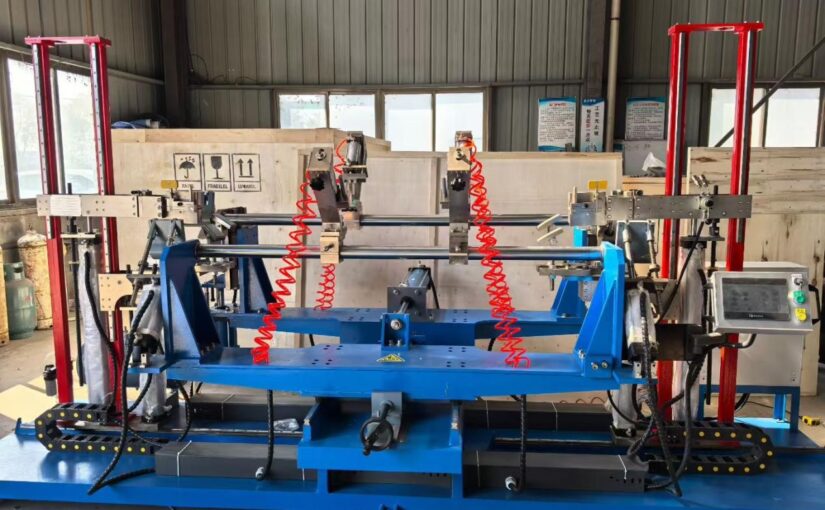
High Voltage Motors Making Machine: A Complete Guide to Modern Motor Manufacturing

High voltage motors are among the most important electrical machines used in industries where large amounts of power must be delivered reliably and efficiently. They are found in power generation, oil and gas, mining, water treatment, steel production, chemical processing, manufacturing plants and many other heavy-duty applications. Behind every reliable high voltage motor is a carefully controlled manufacturing process that combines electrical engineering, precision machining, insulation technology, mechanical assembly and extensive testing. Understanding how a high voltage motors making machine works provides useful insight into how manufacturers achieve the strength, accuracy and reliability required for demanding industrial environments.

The production of a high voltage motor is considerably more complex than assembling a conventional low-voltage electric motor. High operating voltages place greater demands on insulation, winding systems, mechanical components and quality control. Even small manufacturing imperfections can affect efficiency, operating temperature, vibration levels or long-term electrical performance. For this reason, modern motor manufacturing relies on specialised equipment and carefully designed production stages rather than a single machine performing the entire process.

Understanding High Voltage Motor Manufacturing

A high voltage motor normally consists of several major components, including the stator, rotor, windings, core, shaft, bearings, housing and insulation system. Each component must be manufactured to precise specifications before the motor can be assembled and tested. The manufacturing process begins with engineering and material selection, followed by core production, winding preparation, insulation, mechanical machining, assembly and final testing.

One of the most important parts of the manufacturing process is the stator core. It is generally built from thin electrical steel laminations that are shaped and stacked to form the magnetic circuit. Manufacturing machines are used to cut, form and accurately position these laminations. The purpose of using laminated steel is to reduce electrical losses caused by eddy currents. Accurate stacking is essential because uneven or incorrectly positioned laminations can influence magnetic performance, noise and heat generation.

The stator winding is another critical area. High voltage motors require sophisticated insulation systems because the windings operate under significantly greater electrical stress than ordinary motors. Specialised winding machines help place copper conductors into the stator slots according to the motor design. The conductors may then receive insulation, binding and other treatments designed to protect them from electrical, thermal and mechanical stress.

A modern high voltage motors making machine may therefore refer to specialised equipment used at different points of this manufacturing process rather than one universal machine. Depending on the production facility, the machinery may include coil winding equipment, slot insulation machines, conductor forming systems, core stacking equipment, rotor balancing machines, CNC machining centres and electrical testing systems.

Precision in Winding and Insulation

Winding technology has a direct effect on the performance and service life of a high voltage motor. The copper conductors must be positioned correctly and secured so they can withstand electromagnetic forces during operation. Manufacturing equipment needs to maintain consistent tension and positioning while avoiding damage to conductor insulation.

Insulation is particularly important in high voltage applications. A suitable insulation system must withstand electrical stress, heat, vibration and environmental conditions for many years. Depending on the motor design, manufacturers may use mica-based insulation, resin systems, glass materials and other specialised components. The insulation process can involve wrapping, pressing, resin application, curing and inspection.

Modern production lines often use controlled heating and curing systems to ensure insulation materials achieve the required physical and electrical characteristics. Consistency is important because variations in curing or resin penetration can create weak points that may become serious problems after the motor enters service.

Key Machines Used in High Voltage Motor Production

A high voltage motor manufacturing facility normally uses a combination of automated, semi-automated and conventional equipment. The exact machinery depends on motor size, production volume, design requirements and the level of automation required.

Winding machines are among the most important pieces of equipment. They form and position copper coils with a high degree of repeatability. For large industrial motors, winding systems must handle substantial conductor dimensions while maintaining accurate geometry. Automation can reduce variation between individual motors and improve production efficiency.

Core stacking equipment is also essential. The stator and rotor cores contain large numbers of steel laminations, and these must be aligned accurately during assembly. Specialised stacking machinery can help maintain consistent pressure, positioning and alignment. Good core construction contributes to efficient magnetic performance and helps control vibration and operating temperature.

For rotor manufacturing, precision machining equipment is particularly important. Shafts and other rotating components need to meet tight dimensional requirements because even small inaccuracies can cause imbalance. CNC machines may be used to produce shafts, mounting surfaces and other components to the specified tolerances. After machining, dynamic balancing equipment checks whether the rotating assembly is properly balanced.

Balancing is a critical step for large high voltage motors because the rotor may operate at high speed for long periods. An imbalanced rotor can create excessive vibration, accelerate bearing wear and place additional stress on the motor structure. Modern balancing machines measure the rotating assembly and identify where correction is required.

Pressing and assembly machines also have an important role. Large motor components can be heavy and difficult to position manually. Hydraulic or specialised mechanical systems may be used to fit components together while controlling pressure and alignment. Accurate assembly reduces the risk of mechanical problems during operation.

Testing and Quality Control

Manufacturing a high voltage motor does not end when the components have been assembled. Testing is essential for confirming that the finished machine meets its electrical, mechanical and performance requirements.

Electrical testing can include insulation resistance measurements, winding resistance checks and high-voltage withstand tests. Depending on the motor and applicable standards, manufacturers may also carry out surge testing, partial discharge measurements and other diagnostic procedures. These tests help identify weaknesses in the insulation system before the motor reaches the customer.

Mechanical testing is equally important. Bearings, shafts, couplings and housings must operate correctly under expected loads. Vibration measurements can reveal imbalance, misalignment or other mechanical problems. Temperature and performance tests may also be performed to confirm that the motor operates within its designed limits.

Quality control should continue throughout production rather than being limited to the final inspection. Materials need to be checked when they arrive, manufacturing dimensions should be monitored during production, and electrical characteristics should be verified at appropriate stages. This approach makes it easier to identify problems early and maintain consistent quality.

Modern factories increasingly combine measurement systems with digital production records. Sensors and monitoring equipment can collect information about temperature, pressure, winding processes and machine performance. This data can help manufacturers identify production trends, improve maintenance and reduce the possibility of unexpected equipment failures.

Choosing the Right Manufacturing Equipment

Selecting the right high voltage motors making machine depends on several factors. Motor size is one of the first considerations because large industrial motors require machinery capable of handling heavy components and substantial copper conductors. Production volume is another important factor. A factory producing a small number of customised motors may prefer flexible equipment, while a high-volume manufacturer may benefit from greater automation.

Accuracy, reliability and service support are also important. Manufacturing equipment must maintain consistent performance over long production periods. Downtime can be expensive, particularly when a production line depends on specialised machinery that is difficult to replace or repair quickly.

Manufacturers should also consider the compatibility of equipment with their existing production systems. Machines that can integrate with digital monitoring, automated inspection and production management systems can provide greater visibility and efficiency. Operator safety should remain a priority as well, particularly when machinery handles high forces, heavy components or high-temperature processes.

The best equipment is not necessarily the most automated or expensive option. The right choice is the machine that matches the manufacturer’s production requirements, motor designs, quality standards and long-term business objectives.

The Future of High Voltage Motor Manufacturing

The manufacturing industry is moving towards greater automation, digital monitoring and data-driven quality control. High voltage motor production is expected to follow the same direction. Intelligent machines can monitor manufacturing conditions in real time, identify deviations and provide information that helps operators make faster decisions.

Automation can also improve repeatability. Processes such as winding, balancing, measurement and inspection can be performed with greater consistency when properly configured automated systems are used. At the same time, skilled engineers and technicians remain essential because motor manufacturing involves complex design decisions, maintenance requirements and quality assessments that cannot always be handled by machines alone.

Energy efficiency is another major focus. Industries are increasingly looking for motors that deliver high performance while reducing energy consumption and operating costs. Better materials, improved winding techniques, more accurate manufacturing and advanced testing can all contribute to more efficient motors.

Ultimately, high voltage motor manufacturing is a combination of engineering precision, specialised machinery and rigorous quality control. A well-designed high voltage motors making machine can improve production accuracy, reduce manufacturing variation and support the creation of motors capable of operating reliably in demanding industrial conditions. As industrial systems become more sophisticated, manufacturers that invest in precise equipment, skilled personnel and robust testing processes will be better positioned to produce dependable high voltage motors for the next generation of heavy-duty applications.

Automotive Connectors: Critical Interfaces for Stable Automotive Electrical System Operation

In the modern automotive industry, an automotive connector is no longer just a small fitting at the end of a wire harness; it is a critical interface responsible for signal transmission, power distribution, and module interlinkage within the vehicle’s electrical system. As vehicles transition from traditional mechanical control to electronic control, critical functions—including engine management, lighting systems, sensors, air conditioning, body control, and driver assistance—all rely on stable electrical connections. A reliable automotive connector maintains solid contact even under continuous vehicle vibration, high temperatures, high humidity, and oil-contaminated environments, minimizing the risks of loose wiring, short circuits, and signal attenuation.

From a functional perspective, the core value of an automotive connector lies in integrating wire harnesses, terminals, and electrical power modules into a dependable system. It must ensure low contact resistance during power transmission while safeguarding sensor signals against interference. Designed for diverse installation areas—such as the engine bay, chassis, lighting fixtures, door locks, seats, and instrument clusters—connectors face varied operating conditions. Consequently, shell materials, locking mechanisms, sealing rings, waterproof ratings, temperature resistance, and terminal specifications must align precisely with the application scenario. Particularly in the engine bay and exterior areas, waterproof, dustproof, heat-resistant, and anti-vibration performance directly impact vehicle failure rates.

From an industry perspective, automotive connectors bridge the gap between component manufacturers, wire harness factories, the automotive aftermarket, and complete vehicle electrical systems. Wire harness manufacturers require standardized, easy-to-assemble connectors with a stable supply; automotive repair and aftermarket channels demand replacement parts compatible with common vehicle models and OEM interfaces; while the modification and upgrade market prioritizes installation convenience and environmental durability. Therefore, connector manufacturers that build comprehensive product matrices around common pin counts, mainstream terminal sizes, and typical application systems are better positioned to serve global manufacturing and aftermarket demands.

The practical impact of automotive connectors on everyday driving is often overlooked. Whether lights illuminate reliably, sensors provide timely feedback, wipers and fans operate normally, or the engine starts smoothly all depend on electrical connection quality. For end users, a high-quality connector provides safety, stability, and peace of mind during daily driving rather than visible aesthetic value. For commercial vehicles, construction machinery, and long-haul transportation, connector reliability also directly affects vehicle uptime and maintenance costs.

At the market level, as the global vehicle fleet continues to expand, demand for connectors is steadily driven by aftermarket repairs, wire harness replacements, lighting upgrades, sensor swaps, and new energy auxiliary system retrofits. While markets in Europe, North America, South America, Southeast Asia, and the Middle East have distinct regional preferences, they uniformly prioritize product consistency, interface compatibility, and long-term supply stability. For automotive parts factories, establishing clear model designation systems, application guidelines, and product visual assets around automotive connectors helps buyers quickly identify product uses, thereby boosting website inquiry conversion rates.

Looking ahead, automotive connectors will continue evolving toward miniaturization, high density, waterproofing, and modularity. Whether in traditional internal combustion engine (ICE) vehicles or new energy vehicles (NEVs), electrical system complexity is increasing, and reliable connections remain a fundamental requirement.